Dance and Movement Therapy
Dance and Movement Therapy (DMP) is a psychotherapeutic approach where the work takes place through both conversation and through the body and movement. It is a recognized psychotherapeutic approach developed and practiced in many countries in Europe and the world, based on building a safe therapeutic relationship.
The word "dance" does not refer here to learning steps or dance styles
If you think "I can't dance!" – nothing could be more wrong. You don't need to "know how" to dance.
This is about natural, individual movement and expression – as a form of expressing experience, emotions and way of being in relationship. Each session is different and adapted to the needs of the individual person.
Movement is part of us
Movement takes place in our body constantly – for example during breathing, in the rhythm of heartbeat, gesturing, changes in body posture, or its tension. We don't have to dance for movement and body to be part of the process.
I work as a dance and movement therapist, supporting people in the process of change and better understanding of themselves – through integration of what is felt in the body, experienced emotionally and possible to name.
In this approach
- body and psyche are treated as interconnected
- movement is a form of communication and source of information about experience
- the therapeutic relationship is the foundation of the process
- both expression and reflection and meaning-making are important
What the work looks like in practice
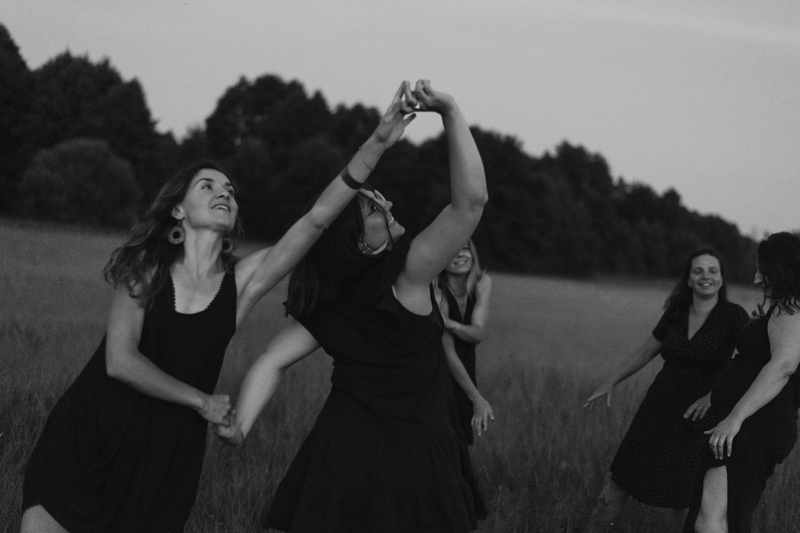
In practice, a session can combine conversation with work through body and movement.
Sometimes it will be stopping and noticing signals coming from the body, sometimes a gentle invitation to movement, and sometimes exploring experience through a simple form of expression or creative work.
There is no one way of working – everything happens at your pace and with respect for your boundaries.
You can always decide whether you want to stay in conversation or enter into experience through the body.
Who it can be helpful for
Anyone who needs psychotherapeutic support can benefit from dance and movement therapy, however this form may be helpful among others for people who:
Professional Standards
I am a member of the Polish Association for Dance and Movement Therapy, which supports the development of this method in Poland and ensures its professional standards.
Form of Work
Therapeutic process in individual or group sessions
More about the method: