About Me
My Journey
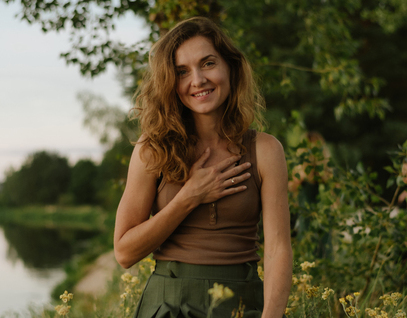
The Beginning - The Body as Home
My journey to working with the body, movement, and embodiment research did not begin with theory - it began with experience.
From childhood, dance and movement were my natural way of expressing myself. For a dancing girl, body and "self" were one. It was through the body that I learned to understand emotions, tensions, and inner states - before I could even name them. Movement was for me a space of expression, regulation, and contact with myself.
Disruption - Diagnosis and Its Consequences
This early experience of embodied being in the world was significantly disrupted when I received a diagnosis of idiopathic scoliosis as a teenager.
This diagnosis changed the way I began to perceive my body - from a place of spontaneous expression toward an object of evaluation, control, and correction. Feelings of uncertainty, tension, and loss of trust in my own body emerged - an experience that in my research, following Havi Carel, I describe as "bodily doubt" - the feeling of bodily uncertainty.
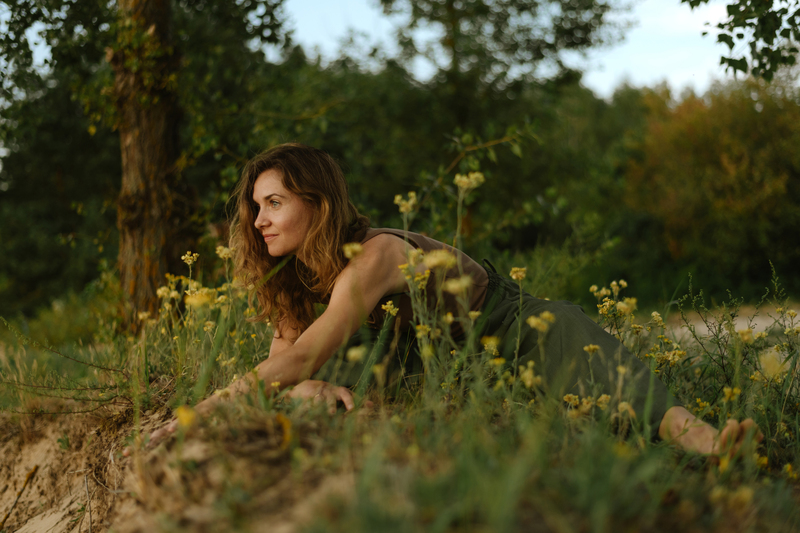
In retrospect, I see that not only the diagnosis itself, but also the way it was communicated and experienced in the medical context had a profound impact on my sense of identity and relationship with my body. In my research, I show that experiences related to scoliosis often involve feelings of objectification, shame, and loss of agency - particularly during adolescence.
Return to Self
The process of returning to myself was not something obvious or immediate for me. It was gradual and multidimensional.
Somatic practices, dance, and conscious movement allowed me to experience the body anew as a living, feeling subject - not just an object of observation or evaluation. Through mindfulness, improvisation, and deepening body awareness, I began to regain a sense of trust, agency, and integrity.
Reflection and Meaning
Over time, it became clear to me that experience alone - though extremely important - also needs space to be named, understood, and given meaning.
Therefore, in my work, reflection is as important as embodiment - the process of translating what is felt and nonverbal into language that allows us to see, understand, and integrate experience.
It is precisely at this intersection - between body and meaning, experience and its interpretation - that my academic path develops.
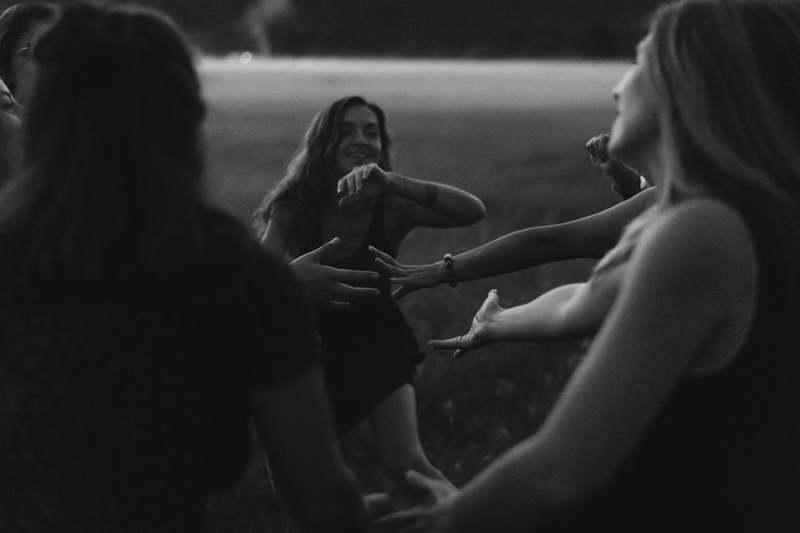
Academic Journey
I pursued studies in the United Kingdom, where I explored the relationship between movement, health, and embodiment, and then began developing research activities, focusing on qualitative understanding of body experiences. A special place in my work is occupied by evocative autoethnography - an approach that allows combining personal experience with scientific reflection and social context.
In my research, I use my own experience as a starting point for broader reflection on how we understand the body, health, and the healing process - and how we can restore a more subjective, relational, and embodied perspective in these areas.
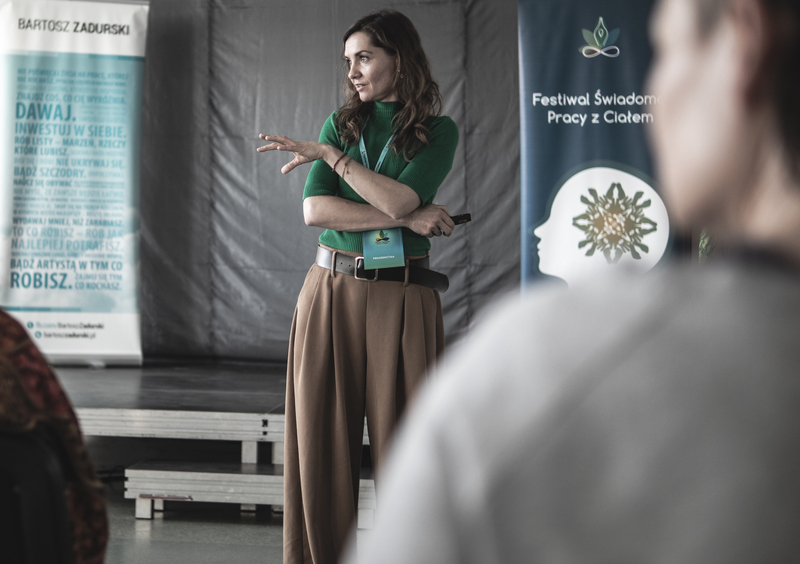
Today - At the Intersection of Practice and Science
Today my work is situated at the intersection of practice and science.
As a researcher, somatic movement educator, and dance and movement therapist, I create space where body experience can become a source of knowledge, change, and deeper contact with oneself - while reflection helps understand and integrate this experience.
What I do grows out of personal history - but does not stop there.
It is an invitation to a broader dialogue about what the body, health, and being human means. Many of these experiences also resonate in other people's stories - and they are an important source of further understanding for me.
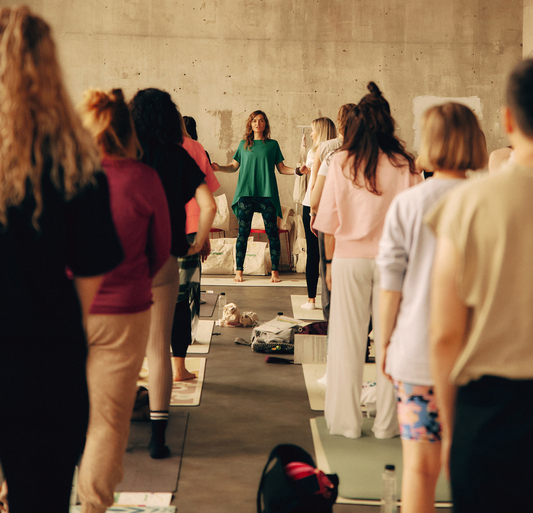
Invitation to Dialogue
Perhaps in this story you also see fragments of your own experience. If you find something close to yourself in it - you are welcome in this space.
Remember that you can also treat this space as a place of dialogue.